
Every year, millions of bags are delayed or lost. Flight delays and tight connections tend to make the problem much worse. But some frequent flyers have found some smart workarounds to dramatically cut their chances of having a bag lost.
Here are their top tips that are the most effective and least well-known, so you can get the most confidence, no matter where you’re going.
The flight you pick matters
Flight schedules are the number one cause of lost bags. Bad luck has almost nothing to do with it. The real cause is rushing luggage transfers between flights.
So, many frequent travelers recommend:
- Flying direct if possible.
- If you need to connect, allow time in your layover for your bag to travel.
- Use airlines and airports that have better baggage performance (Google is your friend for this.)
After all, when you’re sprinting to make a connection, so are the people with your bags. And bags don’t handle sprinting well.
Make your bag stand out from the crowd

Lost luggage often becomes that way because of misidentification. Suitcases are often nearly indistinguishable from each other: black, same size, with wheels. Use bright luggage straps or covers, patches, keychains, or ribbons, and unusual luggage colors.
Also, consider taking a picture of your bag before leaving on your trip. It comes in really handy when you have to report it lost.
Track your bag with technology yourself
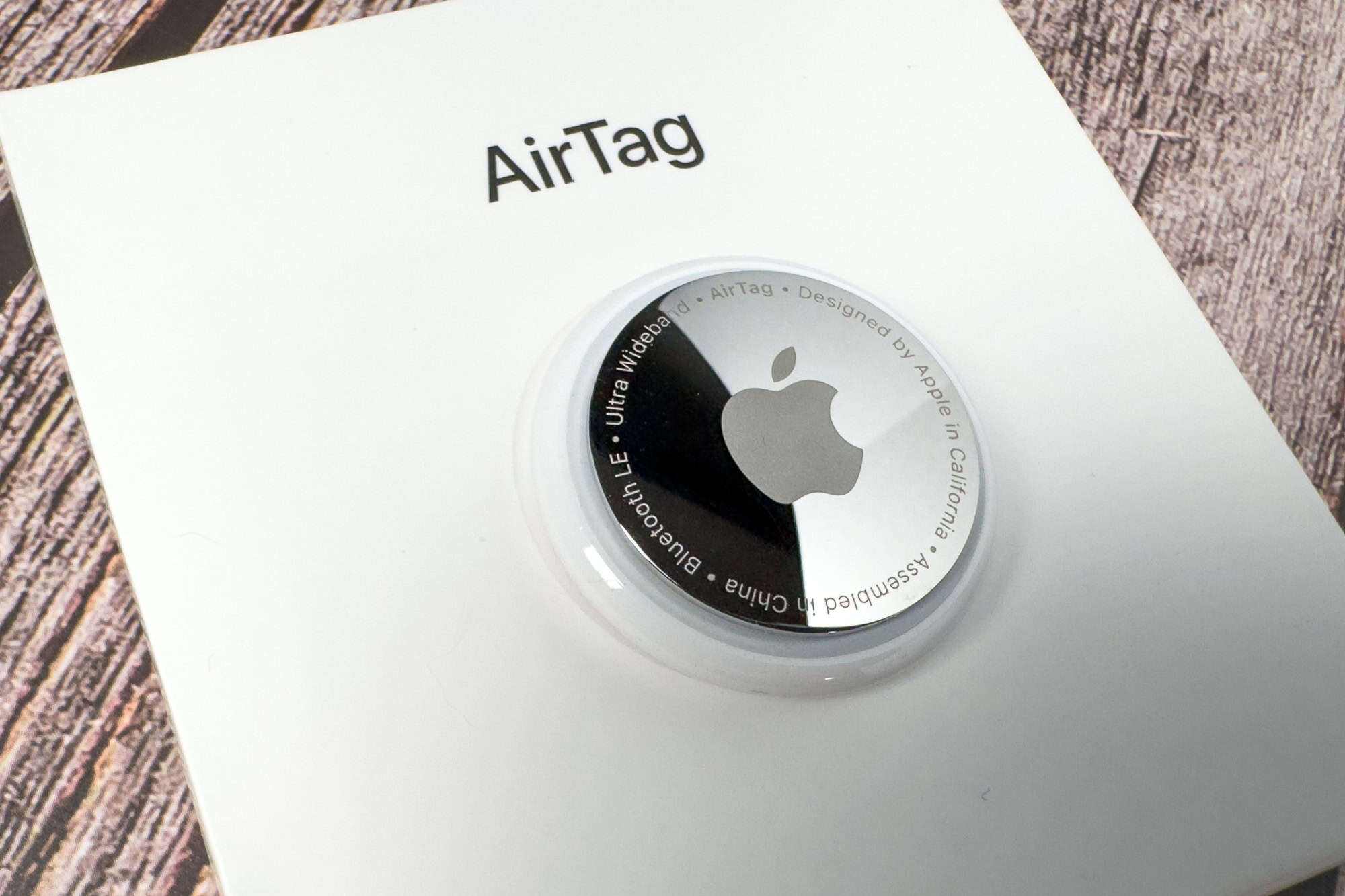
Airline baggage systems have limited capabilities. You don’t have to just hope for the best. There’s technology to help you stay aware of where your bag is at all times. Travelers swear by Apple AirTag, Tile Tracker, and Samsung SmartTag. Pop one of these in your suitcase and keep your Bluetooth on.
The tracker will ping your phone every time it moves. Countless travelers have been reunited with their bags before the airline could get to it because they always knew exactly where it was. Most airlines now also let you track the scans of your bag on their app, so use it.
Label it clearly: on the outside and inside

Bag tags can come off during transit. If they do, baggage handlers have to open it up to determine who it belongs to.
Make it easier for them:
- Put a waterproof tag on your bag
- Make sure it has your name, phone number, and email address
- Skip writing your home address (security reasons)
- Add an ID card in the bag as well in case the outside tag comes off
This small detail makes recovery a LOT faster.
Always keep essentials in your carry-on

One of the foundational pieces of wisdom from frequent travelers is to, “Pretend your checked baggage is going on its own vacation, but without you.”
Don’t risk losing important items. Keep them with you; a change of clothes, medications and medical equipment, electronics and their chargers, valuables like jewelry or money, and travel documents. If your checked bag goes missing, you’ll still have access to the essentials.
Pack odd or fragile items the right way
Loose straps, strings, and external pockets can get caught in baggage machinery. Odd shapes also slow conveyor belts down.
Pack smart by choosing hard-shell suitcases over soft collapsible bags, taping down long straps or tucking them inside, and removing external handles, bumpers, or add-ons. Smooth-surfaced, boxy luggage goes through baggage systems with little interference.
Check your bag early
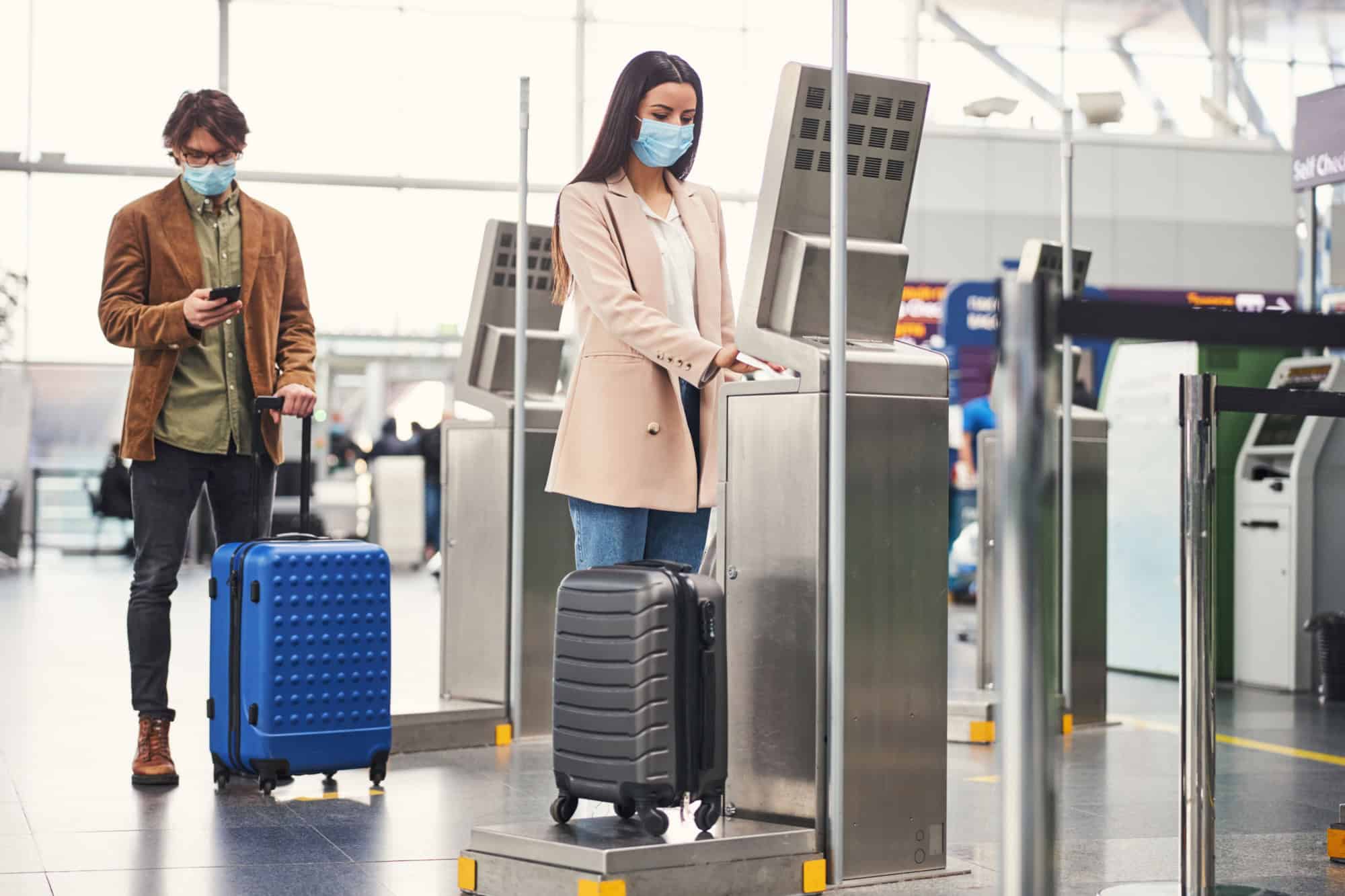
The later your bag is dropped off, the greater the chance it won’t make it on your flight. Frequent flyers recommend checking at least 2 hours early for domestic flights and 3 hours or more early for international.
Allow more time if there are busy travel days (holiday, storms, etc.) Early bag drop means more time for your bag to follow you correctly.
Double-check the bag tag info

Human error is very real. It’s not a conspiracy when the bag is tagged to the wrong destination.
Before your suitcase heads to the belt:
- Verify name + flight number + destination are correct
- Keep your baggage claim sticker. That’s your ownership proof
- Ask for confirmation that it is checked all the way through to final destination
A moment can save days of luggage searching.
Skip gate checking when you can

Gate-checked bags don’t get scanned in the normal routes and thus are more likely to be sent off to the wrong destination.
If you need to gate-check, politely ask staff to tag to final destination, observe where it’s put (don’t assume it’s safe) and keep your tracking notifications on. Gate-checking is not dangerous, but it does increase risk.
Join a loyalty program for priority baggage handling

Airlines go out of their way a little more for frequent flyers, including their bags. Benefits often include priority loading and unloading of bags, extra scans and tracking, and quicker resolution if an issue occurs.
Baggage handling benefits are available even with entry-level airline membership. They’re also free in most cases.
Treat bag tags with care like they’re fragile

If the barcode on a tag gets unreadable, your bag can fall out of the automated system and get sent to the wrong location. You can prevent that by pasting tape over the tag to prevent scratches, avoiding folding barcodes over handles and such, and removing old airline tags to avoid confusion.
Invest in smart luggage services for peace of mind

Business travelers with expensive work equipment, large gifts, or unusual items may want to look into ship-ahead services, digital baggage tracking systems, and premium bag handling add-ons. It may be pricier, but for rare items, it’s often worth it.
The following sources were consulted in the preparation of this article: